What is an Agricultural Worker?
An agricultural worker performs various tasks related to farming, cultivation, and production of agricultural products. They work in the agricultural industry, which encompasses activities such as crop production, livestock farming, and other agricultural operations. Agricultural workers play an important role in food production, contributing to the global supply of fruits, vegetables, grains, dairy products, meat, and other agricultural commodities.
The duties of agricultural workers can vary depending on the specific sector and type of farming operation. Their responsibilities may include planting, cultivating, and harvesting crops, operating and maintaining farm machinery and equipment, applying fertilizers and pesticides, irrigating fields, and monitoring the health and well-being of livestock. They may also participate in tasks such as sorting and packaging harvested produce, maintaining farm infrastructure, and participating in animal care and husbandry practices. Agricultural workers often work outdoors and are exposed to various weather conditions, physical labor, and seasonal demands. Their work requires physical stamina, attention to detail, and the ability to work effectively as part of a team in a dynamic and often fast-paced environment.
What does an Agricultural Worker do?
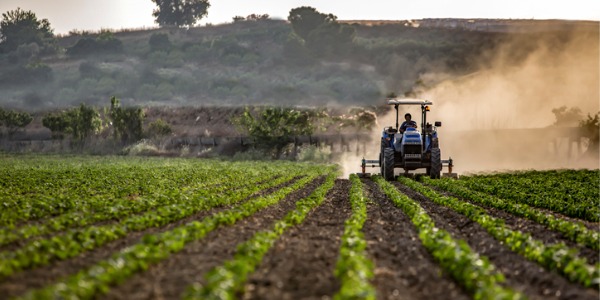
Duties and Responsibilities
The duties and responsibilities of an agricultural worker can vary depending on the specific sector and type of farming operation. Here are some common duties associated with this role:
- Crop Production: Agricultural workers assist with various aspects of crop production. This includes preparing the land for planting, sowing seeds, transplanting seedlings, and applying fertilizers or pesticides as needed. They may also monitor crop growth, manage irrigation systems, and ensure that plants receive proper care and maintenance throughout the growing season.
- Harvesting and Sorting: Agricultural workers participate in the harvest of crops when they reach maturity. They may operate machinery or hand tools to gather crops, such as fruits, vegetables, grains, or herbs. After harvesting, they sort, clean, and prepare the crops for further processing, packaging, or transportation.
- Animal Care and Husbandry: In livestock farming operations, agricultural workers are involved in the care and management of animals. They feed and water livestock, clean animal housing or pens, assist with breeding and birthing processes, and monitor the health and well-being of the animals. They may also handle tasks such as milking dairy cows, shearing sheep, or assisting with vaccination and medication administration.
- Equipment Operation and Maintenance: Agricultural workers operate and maintain various types of farm machinery and equipment. This can include tractors, combines, sprayers, irrigation systems, or specialized equipment for specific farming tasks. They ensure that machinery is properly maintained, perform routine inspections, and may make minor repairs or adjustments as needed.
- General Farm Maintenance: Agricultural workers contribute to the general maintenance and upkeep of the farm or agricultural facility. This can involve repairing fences, maintaining farm buildings or structures, cleaning equipment, or performing routine maintenance tasks. They may also assist in maintaining proper storage and handling of agricultural inputs and products.
- Record-Keeping and Documentation: Agricultural workers may be responsible for maintaining accurate records and documentation related to farming operations. This can include tracking planting and harvesting dates, monitoring crop yields or livestock production, documenting pesticide or fertilizer applications, or recording animal health and medication records.
- Health and Safety Compliance: Agricultural workers adhere to health and safety guidelines and regulations to ensure a safe working environment. They use personal protective equipment (PPE) when necessary, follow proper handling and storage procedures for chemicals, and implement safety protocols for operating machinery and equipment.
- Teamwork and Communication: Agricultural workers often work as part of a team, cooperating and coordinating with other workers to accomplish tasks efficiently. They may communicate with supervisors or farm owners regarding progress, issues, or changes in farming activities.
Types of Agricultural Workers
There are various types of agricultural workers who perform specific tasks and have different areas of expertise within the agricultural industry. Here are a few examples:
- Farmers: Farmers cultivate and produce crops, livestock, or other agricultural products. They work on farms or agricultural enterprises, utilizing their knowledge and skills to manage land, animals, and resources effectively.
- Crop Farmers: Crop farmers focus on the cultivation and production of crops such as fruits, vegetables, grains, or herbs. They are responsible for tasks such as land preparation, planting, crop maintenance, irrigation, pest control, and harvesting.
- Livestock Farmers: Livestock farmers specialize in raising and managing animals for agricultural purposes. This can include dairy or beef cattle, poultry (chickens, turkeys), swine (pigs), sheep, goats, or other livestock. Their responsibilities may include feeding and watering animals, monitoring health and welfare, breeding, and managing facilities.
- Ranchers: Ranchers own or manage ranches, which are large agricultural properties focused primarily on raising livestock, such as cattle, sheep, horses, or goats. They are responsible for the care, breeding, and management of the livestock, ensuring their well-being and proper nutrition.
- Dairy Farmers: Dairy farmers specialize in the production of milk and other dairy products. They are responsible for the care and management of dairy cattle, ensuring their well-being, health, and proper nutrition.
- Poultry Farmers: Poultry farmers focus on the breeding, raising, and production of poultry, including chickens, turkeys, ducks, or other fowl for meat or egg production. They manage the housing, feeding, and overall care of the poultry, ensuring their health, growth, and productivity.
- Organic Farmers: Organic farmers are dedicated to cultivating crops and raising livestock using methods that prioritize environmental sustainability, animal welfare, and the use of natural practices. They avoid the use of synthetic pesticides, fertilizers, genetically modified organisms (GMOs), and growth hormones.
- Farm Managers: Farm managers oversee the overall operations of a farm or agricultural enterprise. They are responsible for planning, organizing, and coordinating various activities, including crop production, livestock management, equipment maintenance, financial management, and human resources.
- Agricultural Inspectors: Agricultural inspectors play a role in ensuring compliance with regulations and standards in the agricultural industry. They inspect farms, facilities, and products to assess compliance with food safety regulations, quality standards, and environmental regulations. They may also inspect imported or exported agricultural products to ensure compliance with international trade requirements.
- Nursery Workers: Nursery workers are responsible for the cultivation and care of plants. They may sow seeds, transplant seedlings, water and fertilize plants, monitor their growth, and ensure optimal conditions for healthy plant development.
- Greenhouse Technicians: Greenhouse technicians work in a greenhouse environment and perform various tasks to maintain optimal plant growth and health. They are responsible for monitoring and adjusting environmental factors such as temperature, humidity, and light levels, and may be involved in irrigation, pest control, plant propagation, and general maintenance of greenhouse equipment and structures.
- Agricultural Equipment Operators: These workers specialize in operating and maintaining farm machinery and equipment. They may be responsible for tasks such as plowing, planting, cultivating, spraying pesticides or fertilizers, harvesting, and other operations related to crop production or livestock management.
- Agricultural Laborers: Agricultural laborers perform a range of manual labor tasks on farms or in agricultural settings. Their duties can include planting, weeding, pruning, picking or packing crops, cleaning animal housing, maintaining fences or structures, and other general farm maintenance activities. They often work under the guidance and supervision of farm managers or more experienced agricultural workers.
- Agricultural Technicians: Agricultural technicians provide technical support and assistance in farm operations. They may specialize in areas such as soil and water management, pest management, crop monitoring, or precision agriculture. They collect data, conduct tests, and provide recommendations for optimizing agricultural practices and productivity.
What is the workplace of an Agricultural Worker like?
The workplace of an agricultural worker can vary depending on the specific type of farming or agricultural operation. Agricultural workers can be found working in a variety of settings, including farms, ranches, nurseries, orchards, vineyards, or even aquaculture facilities. Their workplace is predominantly outdoors, with exposure to natural elements and varying weather conditions.
In crop production, agricultural workers spend their time in fields, tending to crops, performing tasks such as planting, weeding, pruning, or harvesting. They may operate machinery or use hand tools for various farming activities. The work environment can be physically demanding, requiring strength and stamina to perform tasks that often involve bending, lifting, and repetitive movements.
For livestock farming, the workplace involves managing animals in various settings, such as barns, pastures, or feedlots. Agricultural workers handle tasks such as feeding and watering animals, cleaning animal housing or pens, and assisting with animal healthcare, including vaccinations and medical treatments. They may also participate in activities like herding animals or assisting with animal reproduction.
In nursery or horticultural settings, agricultural workers may work in greenhouses, nurseries, or fields, caring for plants and assisting with plant propagation, transplanting, and maintenance. They may also be involved in tasks such as potting, pruning, and preparing plants for sale or distribution.
The workplace of an agricultural worker requires adaptability, as the tasks and conditions can vary based on seasonal demands. They may experience longer work hours during peak seasons, such as planting or harvesting periods, and shorter hours during slower times. The work environment often involves working in a team, collaborating with other workers to accomplish tasks efficiently and effectively.
Safety measures are important in the agricultural workplace. Agricultural workers need to follow safety protocols, especially when operating machinery or handling chemicals. They may be required to wear personal protective equipment to minimize risks and protect themselves from potential hazards.
Frequently Asked Questions
Farming Related Careers and Degrees
Careers
- Alligator Farmer
- Agricultural Engineer
- Agricultural Worker
- Agronomist
- Aquaculturist
- Artisanal Dairy Farmer
- Beekeeper
- Certified Crop Advisor
- Chicken Sexer
- Commercial Dairy Farmer
- Crop Farmer
- Dairy Farmer
- Dairy Farm Worker
- Farm Equipment Mechanic
- Dairy Scientist
- Farmer
- Family Dairy Farmer
- Farm Manager
- Grain Elevator Worker
- Livestock Farmer
- Livestock Feed Sales Representative
- Organic Dairy Farmer
- Organic Farmer
- Poultry Farmer
- Poultry Scientist
- Rancher
- Robotic Dairy Farmer
- Vermiculturist
Degrees
- Agribusiness
- Agricultural Mechanics
- Agriculture
- Agronomy
- Animal Sciences
- Aquaculture
- Crop Production
- Dairy Science
- Equine Science
- Poultry Science
- Soil Science