What is a Locomotive Engineer?
Locomotive engineers ensure the safe and efficient movement of freight or passengers by rail. They work for railroad companies and are responsible for driving trains according to established schedules, safety protocols, and operational guidelines.
Locomotive engineers undergo rigorous training, including learning the specific characteristics of different locomotives, understanding signaling systems, and mastering safety protocols. Their commitment to safety and precise control of the train ensures the reliable and secure transportation of goods and passengers by rail.
What does a Locomotive Engineer do?
Duties and Responsibilities
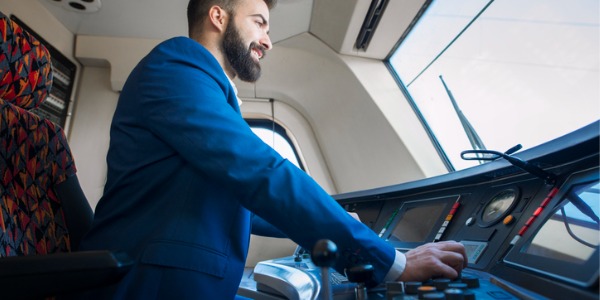
The duties and responsibilities of a locomotive engineer revolve around the safe and efficient operation of locomotives and the trains they power. Here are some key tasks and responsibilities of a locomotive engineer:
- Operating the Locomotive: The primary responsibility of a locomotive engineer is to operate the locomotive and control its movements. They start, stop, and regulate the speed and acceleration of the train in response to signals, track conditions, and instructions from dispatchers.
- Monitoring Instruments: Locomotive engineers continuously monitor various instruments and gauges, such as speedometers, pressure gauges, and control panels, to ensure that the locomotive is operating within safe parameters.
- Following Safety Protocols: Safety is paramount for a locomotive engineer. They must strictly adhere to safety procedures, rules, and regulations to prevent accidents and ensure the well-being of passengers, crew, and cargo.
- Communicating with Crew and Dispatchers: Locomotive engineers maintain clear and effective communication with conductors, brakemen, and other crew members. They follow instructions from dispatchers regarding train movements, track conditions, and any schedule changes.
- Inspecting the Locomotive: Before and after each journey, locomotive engineers conduct visual inspections of the locomotive to check for any mechanical issues or signs of wear. They report any problems to maintenance personnel for rectification.
- Responding to Emergencies: In the event of an emergency, such as equipment malfunctions, signal failures, or unforeseen hazards on the track, locomotive engineers must react quickly and appropriately to prevent accidents and ensure the safety of passengers and crew.
- Maintaining Records: Locomotive engineers keep detailed records of their journeys, including mileage, times, and any incidents that occurred during the trip.
- Complying with Schedule: Locomotive engineers must adhere to strict schedules to ensure that trains run on time and meet their designated stops within the specified timeframes.
- Observing Track and Signal Conditions: Locomotive engineers carefully observe track conditions and signal indications to anticipate potential issues and ensure the safe operation of the train.
- Ensuring Passenger Comfort: For passenger trains, locomotive engineers strive to provide a smooth and comfortable ride for passengers by operating the locomotive with care and avoiding abrupt movements.
Types of Locomotive Engineers
There are different types of locomotive engineers based on the type of trains they operate and their specific roles within the railway industry. Here are some common types of locomotive engineers:
- Passenger Train Engineer: Passenger train engineers are responsible for operating locomotives that power passenger trains. They ensure the safe and comfortable transportation of passengers, following strict schedules and adhering to safety protocols.
- Freight Train Engineer: Freight train engineers operate locomotives that haul cargo and freight. They are tasked with transporting goods efficiently and safely, adhering to delivery schedules and coordinating with conductors and dispatchers.
- Switch Engineer: Switch engineers, also known as switchers, work in rail yards and are responsible for moving train cars around the yard to assemble and disassemble trains. They perform switching operations and arrange cars for different destinations.
- Shuttle Train Engineer: Shuttle train engineers operate shuttle trains that transport passengers or goods between specific points, such as airports, terminals, or distribution centers.
- Long-Distance Train Engineer: Long-distance train engineers operate locomotives for trains that cover extensive distances, such as cross-country or intercity routes.
- Local Train Engineer: Local train engineers operate trains that serve shorter, commuter-type routes, often within a metropolitan area.
- Freight Yard Engineer: Freight yard engineers work specifically in rail yards, managing the movement and placement of freight cars for efficient loading and unloading.
- Tourist Train Engineer: Tourist train engineers operate locomotives for scenic and tourist-oriented train rides, providing passengers with a unique and enjoyable experience.
What is the workplace of a Locomotive Engineer like?
The primary workplace of a locomotive engineer is the cab of the train. This is the compartment where the controls are located, and it provides a clear view of the tracks ahead. The cab is equipped with various instruments, controls, and communication devices to facilitate safe and efficient operation. Here, locomotive engineers spend the majority of their time in-transit, operating the train from departure to destination. Depending on the length of the journey, they may spend several hours to days inside the cab.
Locomotive engineers may operate trains that traverse long distances across cities, states, or even countries. This can lead to different work environments and weather conditions during their travels. As train operations run around the clock, 365 days a year, locomotive engineers may work various shifts, including nights, weekends, and holidays. Irregular hours are common in this profession.
Working as part of a team with conductors, dispatchers, and other rail personnel, locomotive engineers ensure safety and efficiency throughout their journeys. Operating a train requires constant attention and focus, as they must remain vigilant about track conditions, signals, and any potential hazards on or near the tracks.
Safety is paramount in the railway industry, and locomotive engineers must adhere to strict safety protocols and be prepared to respond to emergencies quickly. Many locomotive engineers are members of labor unions that negotiate their contracts, working conditions, and benefits.
While operating a train does not involve strenuous physical activity, locomotive engineers may need to climb ladders, step on uneven surfaces, and be able to sit for extended periods. Due to irregular hours and long journeys, locomotive engineers might experience challenges in maintaining a conventional work-life balance. However, they often enjoy periods of downtime between trips.
Frequently Asked Questions
Engineering Specializations and Degrees
Careers
- Aerospace Engineer
- Agricultural Engineer
- Architectural Engineer
- Artificial Intelligence Engineer
- Audio Engineer
- Automation Engineer
- Automotive Engineer
- Automotive Engineering Technician
- Big Data Engineer
- Biochemical Engineer
- Biofuel Engineer
- Biomedical Engineer
- Broadcast Engineer
- Chemical Engineer
- Civil Engineer
- Civil Engineering Technician
- Cloud Engineer
- Coastal Engineer
- Computer Engineer
- Computer Hardware Engineer
- Computer Vision Engineer
- Construction Engineer
- Control Engineer
- Data Engineer
- Digital Remastering Engineer
- Electrical Engineer
- Electronics Engineer
- Engineer
- Environmental Engineer
- Flight Engineer
- Fuel Cell Engineer
- Fuel Cell Technician
- Game Audio Engineer
- Geotechnical Engineer
- Geothermal Engineer
- Industrial Engineer
- Industrial Engineering Technician
- Laser Engineer
- Live Sound Engineer
- Locomotive Engineer
- Machine Learning Engineer
- Manufacturing Engineer
- Marine Engineer
- Mastering Engineer
- Mechanical Engineer
- Mechanical Engineering Technician
- Mechatronics Engineer
- Mining and Geological Engineer
- Mixing Engineer
- Nanosystems Engineer
- Nanotechnology Engineer
- Natural Language Processing Engineer
- Naval Engineer
- Nuclear Engineer
- Ocean Engineer
- Optical Engineer
- Paper Science Engineer
- Petroleum Engineer
- Photonics Engineer
- Power Engineer
- Product Safety Engineer
- Pulp and Paper Engineer
- Recording Engineer
- Robotics Engineer
- Sales Engineer
- Security Engineer
- Ship Engineer
- Software Engineer
- Software Quality Assurance Engineer
- Solar Engineer
- Stationary Engineer
- Structural Engineer
- Systems Engineer
- Transportation Engineer
- Urban Planning Engineer
- Water Engineer
- Water Resources Engineer
- Wind Energy Engineer
Degrees
- Engineering
- Aerospace Engineering
- Agricultural Engineering
- Architectural Engineering
- Biochemical Engineering
- Biological Systems Engineering
- Biomedical Engineering
- Chemical Engineering
- Civil Engineering
- Computer Engineering
- Computer Hardware Engineering
- Computer Software Engineering
- Construction Engineering
- Electrical Engineering
- Electromechanical Engineering
- Engineering Mechanics
- Engineering Physics
- Engineering Science
- Environmental Engineering
- Geological Engineering
- Industrial Engineering
- Manufacturing Engineering
- Materials Science and Engineering
- Mechanical Engineering
- Naval Engineering
- Nuclear Engineering
- Ocean Engineering
- Optical Engineering
- Paper Science and Engineering
- Petroleum Engineering
- Plastics Engineering
- Pulp and Paper Engineering
- Robotics Engineering
- Sound Engineering
- Structural Engineering
- Surveying Engineering
- Systems Engineering
- Telecommunications Engineering
Locomotive Engineers are also known as:
Train Operator
Locomotive Operator
Train Engineer