What is a Recreational Vehicle Service Technician?
Recreational vehicle (RV) service technicians specialize in the repair, maintenance, and installation of recreational vehicles. They work on a wide range of vehicles including motorhomes, travel trailers, fifth wheels, and campervans. They have in-depth knowledge of various systems in recreational vehicles, including plumbing, electrical, and HVAC systems, as well as the structural components of the vehicle. They may also be familiar with specific components unique to certain RV models and brands.
Recreational vehicle service technicians work in a variety of settings, including RV dealerships, repair shops, and even mobile service units that travel to customers' locations to perform repairs and maintenance.
What does a Recreational Vehicle Service Technician do?
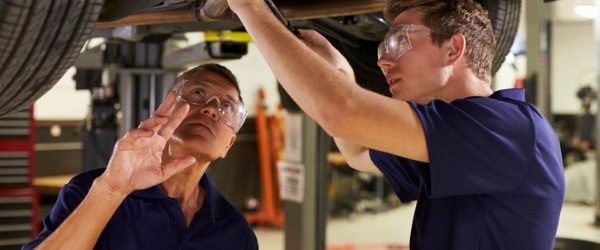
Duties and Responsibilities
The duties and responsibilities of a recreational vehicle service technician typically include:
- Diagnosing and Repairing Mechanical Issues: RV service technicians inspect RVs to identify and diagnose mechanical problems, such as engine issues, transmission malfunctions, or brake system failures. They use diagnostic tools and equipment to troubleshoot problems and perform necessary repairs to ensure the safe and efficient operation of the vehicle.
- Conducting Electrical and Plumbing Repairs: RVs have complex electrical and plumbing systems that require specialized knowledge. RV service technicians are responsible for diagnosing and repairing electrical issues, including wiring problems, lighting malfunctions, and battery-related concerns. They also handle plumbing repairs, addressing issues with water systems, toilets, sinks, showers, and other plumbing fixtures.
- Performing Preventive Maintenance: RV service technicians conduct routine maintenance tasks to keep RVs in optimal condition. This includes tasks such as oil changes, fluid checks and replacements, tire inspections and rotations, and overall system inspections. Preventive maintenance helps prevent potential issues and extends the lifespan of the RV.
- Repairing and Maintaining Appliances and Amenities: RVs often have built-in appliances and amenities, such as refrigerators, stoves, air conditioning units, generators, and entertainment systems. RV service technicians troubleshoot and repair these components, ensuring they function properly and providing necessary maintenance to keep them in good working order.
- Providing Customer Service: RV service technicians interact with RV owners, discussing repair needs, providing estimates, and explaining repairs performed. They may offer advice on maintenance practices, answer questions, and ensure customer satisfaction. Good communication and customer service skills are essential in this role.
- Keeping Records and Documentation: RV service technicians maintain detailed records of repairs, parts replaced, maintenance schedules, and service history. Accurate documentation helps track the RV's maintenance and repair history, assists in warranty claims, and provides valuable information for future servicing.
- Staying Updated With Industry Advancements: As RV technology evolves, RV service technicians need to stay updated with the latest advancements and industry standards. They attend training programs, workshops, and stay connected with manufacturer updates to enhance their skills and knowledge in RV repair and maintenance.
Types of Recreational Vehicle Service Technicians
There are various types of recreational vehicle service technicians, each specializing in different areas of RV repair and maintenance. Here are a few examples:
- General RV Service Technicians: These technicians have a broad range of knowledge and skills in diagnosing and repairing various RV systems, including engines, transmissions, electrical systems, plumbing, HVAC, and appliances. They are capable of working on different types of RVs, such as motorhomes, travel trailers, fifth wheels, and campervans.
- RV Chassis Technicians: Chassis technicians focus on the mechanical aspects of RVs, including engines, transmissions, drivetrain components, and suspension systems. They are responsible for diagnosing and repairing issues related to the vehicle's propulsion and stability, ensuring the proper functioning of the RV's chassis and driving systems.
- RV Electrical Technicians: Electrical technicians specialize in diagnosing and repairing electrical systems in RVs. They handle tasks such as troubleshooting wiring issues, fixing lighting problems, installing or repairing electrical components, and ensuring the safe and efficient operation of the RV's electrical system.
- RV Plumbing Technicians: Plumbing technicians focus on the water and plumbing systems in RVs. They diagnose and repair issues related to fresh water supply, waste management, water heaters, faucets, toilets, showers, and other plumbing fixtures found in RVs. They may also handle tasks such as winterizing or dewinterizing RV plumbing systems.
- RV Appliance Technicians: Appliance technicians specialize in repairing and maintaining RV-specific appliances, such as refrigerators, stoves, ovens, microwaves, air conditioning units, furnaces, and water heaters. They have expertise in diagnosing and fixing issues with these appliances to ensure they operate correctly during RV travel.
- RV Generator Technicians: Generator technicians specialize in diagnosing, repairing, and maintaining RV generators. They are knowledgeable about generator systems, fuel delivery, electrical connections, and troubleshooting common generator issues.
- RV Awning Technicians: Awning technicians focus on repairing and maintaining RV awning systems. They handle tasks such as replacing awning fabric, fixing awning mechanisms, adjusting awning arms, and ensuring the proper operation and safety of RV awnings.
What is the workplace of a Recreational Vehicle Service Technician like?
The workplace of a recreational vehicle service technician can vary depending on their specific employment setting. Here are some common workplaces where RV service technicians can be found:
RV Dealerships: Many RV service technicians work in dealerships that sell and service RVs. These dealerships typically have dedicated service departments where technicians perform repairs, maintenance, and warranty work on RVs. The environment can be fast-paced, especially during peak seasons, with a focus on providing quality service to RV owners and ensuring customer satisfaction.
RV Repair Shops: Independent RV repair shops specialize in servicing and repairing RVs. These shops may cater to a wide range of RV owners, providing maintenance, repairs, and customization services. RV repair shops may have a diverse range of RV models and systems, requiring technicians to have a broad skill set to handle various repair and maintenance tasks.
RV Service Centers: Dedicated RV service centers provide comprehensive repair and maintenance services for RVs. These centers may specialize in specific brands or types of RVs, such as motorhomes, travel trailers, or fifth wheels. Service centers often have a well-equipped facility with the necessary tools, equipment, and diagnostic systems to handle different RV systems and components.
Mobile Service Units: Some RV service technicians operate as mobile technicians, traveling to the customer's location to perform repairs and maintenance. They may have a van or specialized vehicle equipped with tools and equipment to handle on-site service calls. Mobile technicians provide convenience for RV owners, especially for those who are unable to bring their RV to a physical service location.
Regardless of the specific workplace, RV service technicians typically work in well-equipped service bays or workshops. They have access to a wide range of tools, diagnostic equipment, and repair manuals specific to RV systems. The work may involve a combination of physical labor, such as lifting and maneuvering RV components, as well as working in confined spaces to access various systems.
In RV service settings, technicians may work individually or as part of a team, collaborating with other technicians, service advisors, and parts personnel to ensure efficient operations. They may interact directly with RV owners, discussing repair needs, providing estimates, and explaining the work performed. Good communication skills and a customer-focused approach are important in this role.
Frequently Asked Questions
Mechanic Related Careers and Degrees
Recreational Vehicle Service Technicians are also known as:
Recreational Vehicle Mechanic
RV Service Technician
RV Mechanic