What is a Personal Care Aide?
A personal care aide provides assistance with daily living activities to people who are unable to perform them independently due to illness, disability, or advanced age. They work in a variety of settings, including clients' homes, assisted living facilities, and nursing homes. The services provided by personal care aides may vary, depending on the needs of the clients they serve, but typically include tasks such as bathing, grooming, dressing, toileting, feeding, and administering medication. They may also perform light housekeeping tasks, such as laundry, meal preparation, and cleaning.
Personal care aides must be compassionate and patient, as they often work with individuals who may be unable to communicate their needs effectively. They must also be physically fit, as the job requires a significant amount of standing, walking, and lifting. In addition, personal care aides must be able to work independently, as they may be required to manage multiple clients with varying needs and schedules. They must also be able to communicate effectively with clients, family members, and other healthcare professionals to ensure that their clients receive the highest quality care possible.
What does a Personal Care Aide do?
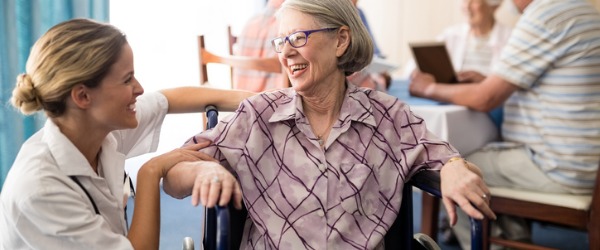
Personal care aides not only improve the quality of life of their clients but also help them maintain their independence and dignity, which can have a positive impact on their physical and mental well-being. Furthermore, they allow family members and caregivers to have peace of mind, knowing that their loved ones are receiving the care they need. Personal care aides are an essential component of the healthcare system, and their role will become increasingly important as the aging population continues to grow.
Duties and Responsibilities
Some of the duties and responsibilities of a personal care aide include:
- Assisting clients with personal hygiene needs: Personal care aides may assist with tasks such as bathing, dressing, grooming, and toileting. They may also provide skin care, such as applying lotion, and assist with oral hygiene, such as brushing teeth or denture care.
- Helping clients with mobility needs: Personal care aides may help clients with getting in and out of bed, transferring from a wheelchair or walker, or providing assistance with walking or exercise.
- Assisting with medication needs: Personal care aides may help clients manage their medications by reminding them to take their pills at the appropriate time, or by administering medication as prescribed by a healthcare provider.
- Meal planning and preparation: Personal care aides may assist with meal planning, grocery shopping, and meal preparation, taking into account any special dietary needs or restrictions.
- Light housekeeping duties: Personal care aides may help with light housekeeping duties such as laundry, dusting, and vacuuming. They may also help organize the client's living space to make it more comfortable and accessible.
- Providing emotional support and companionship: Personal care aides may engage in conversation with clients, listen to their concerns, and participate in social activities with them. This can help to reduce feelings of loneliness or isolation.
- Monitoring clients' health and well-being: Personal care aides may take vital signs such as blood pressure or temperature, and report any changes or concerns to the appropriate medical professionals.
- Record keeping: Personal care aides may keep detailed records of the care provided, including any changes in the client's condition or needs, and any communication with healthcare providers.
- Collaborating with other healthcare professionals: Personal care aides may work closely with doctors, nurses, therapists, and other healthcare professionals to ensure that the client's needs are being met and to provide a coordinated approach to care.
- Ensuring a safe environment: Personal care aides may identify and address any potential hazards in the client's living space, such as clutter or tripping hazards. They may also help with equipment such as walkers or grab bars to improve safety and mobility.
Types of Personal Care Aides
There are different types of personal care aides who provide different levels of care based on their training, experience, and certification. Some of the common types of personal care aides include:
- Home Health Aides: These aides are trained to provide personal care services to clients in their homes. They may help with bathing, dressing, grooming, and feeding, and also perform basic medical tasks such as taking vital signs and administering medication.
- Certified Nursing Assistants (CNAs): CNAs are trained to provide both personal care and basic medical care to patients in hospitals, nursing homes, and other healthcare settings. They may assist with activities of daily living, take vital signs, and provide basic nursing care.
- Live-in Health Aide: A live-in health aide provides assistance and care to individuals in their own homes, typically on a live-in basis. These aides support individuals who may have physical or cognitive disabilities, chronic illnesses, or require assistance with activities of daily living.
- Companions: Companions provide social support and companionship to clients who are elderly or have disabilities. They may assist with errands, transportation, and light housekeeping, but do not provide medical or personal care services.
What is the workplace of a Personal Care Aide like?
Personal care aides provide essential assistance to individuals who need help with daily tasks, such as bathing, dressing, and eating. As a result, their workplace is typically in the homes of clients or in residential care facilities. These settings can vary widely depending on the individual needs and preferences of the client, as well as the type of care facility.
In a private home setting, personal care aides typically work with one or two clients at a time. They may work for an agency or be self-employed, and their schedules can be flexible depending on the needs of the client. The aide may assist with basic household chores, such as laundry or light cleaning, in addition to providing personal care. The work environment can be quite intimate, as the aide may need to assist with bathing, grooming, and toileting.
In a residential care facility, personal care aides typically work with a larger number of clients. These facilities can range from small group homes to large nursing homes, and may specialize in serving individuals with specific needs, such as memory care or physical disabilities. Personal care aides may be responsible for assisting clients with mobility, administering medications, and providing emotional support. The work environment can be fast-paced and demanding, as aides may need to attend to multiple clients with a variety of needs.
Regardless of the setting, personal care aides must be compassionate and patient. They work closely with individuals who may be elderly, disabled, or have chronic health conditions, and must be able to provide both physical and emotional support. While the work can be challenging, many personal care aides find it to be rewarding and fulfilling to help others maintain their independence and quality of life.
Frequently Asked Questions
Home Health Aide vs Personal Care Aide
Home Health Aides (HHAs) and Personal Care Aides (PCAs) are both valuable professionals in the healthcare industry, providing essential care and support to individuals who need assistance with daily activities. While there is some overlap in their responsibilities, there are also distinct differences between the two roles:
Home Health Aide (HHA):
- Training and Certification: HHAs typically receive formal training and certification. They often complete a state-approved training program that covers specific healthcare tasks and skills, including basic medical procedures, monitoring vital signs, and understanding medical conditions.
- Medical Care: HHAs are trained to provide basic medical care, such as administering medications, changing dressings, and monitoring patients' health conditions. They work under the supervision of healthcare professionals, such as registered nurses or therapists, and often assist patients recovering from illnesses or surgeries.
- Work Settings: HHAs work primarily in clients' homes, as well as in hospice care, home healthcare agencies, or rehabilitation centers. They may work with individuals who have chronic illnesses, disabilities, or recent hospitalizations, providing a combination of medical and personal care.
Personal Care Aide (PCA):
- Training: PCAs usually receive on-the-job training from their employers. While they may not have formal certifications, they are trained in assisting with activities of daily living (ADLs) and ensuring the well-being of their clients.
- Personal Care: PCAs focus on providing non-medical personal care services. They assist clients with activities such as bathing, dressing, grooming, toileting, and mobility. PCAs also provide companionship and emotional support to their clients.
- Work Settings: PCAs work in various settings, including clients' homes, assisted living facilities, group homes, or day service programs. They often assist elderly individuals or those with disabilities who require help with daily tasks but do not necessarily need medical care.
Key Differences:
- Medical vs. Non-Medical Care: The primary difference between HHAs and PCAs lies in the level of care provided. HHAs are trained to deliver both medical and personal care, whereas PCAs focus solely on non-medical personal care tasks.
- Certification: HHAs typically undergo formal training and certification programs, while PCAs often receive on-the-job training without formal certifications.
- Scope of Practice: HHAs work closely with healthcare professionals and may perform medical tasks under supervision, whereas PCAs primarily focus on assisting with personal care activities and providing companionship.
Both home health aides and personal care aides play vital roles in supporting individuals to live independently and improve their overall quality of life. The choice between the two professions often depends on the specific needs of the clients and the level of care required.
Personal Care Aides are also known as:
Personal Support Worker
PCA
Caregiver