What is an Urban Planner?
An urban planner works to create and implement plans for the development of cities, towns, and other urban areas. Urban planners use their knowledge of land use, zoning laws, transportation systems, and other urban infrastructure to help guide the growth and development of communities. They often work with government officials, developers, and community members to create plans that meet the needs of both the community and the environment.
Urban planners may be involved in a variety of tasks throughout the planning process, including conducting research, analyzing data, consulting with stakeholders, developing plans, and overseeing the implementation of those plans. They may also work to address specific challenges facing urban areas, such as affordable housing, transportation infrastructure, or environmental concerns. As cities continue to grow and change, the role of urban planners will be increasingly important in shaping the future of urban areas.
What does an Urban Planner do?
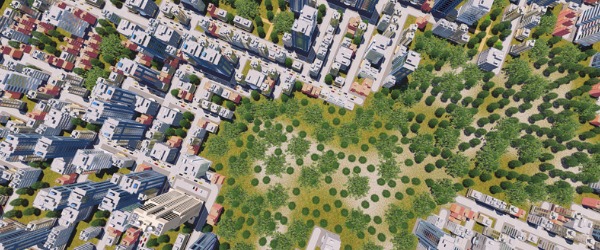
Urban planners play an important role in shaping the cities and communities we live in. By developing comprehensive plans and policies, they guide the growth and development of cities while addressing challenges such as urban sprawl, congestion, social inequality, and environmental degradation. Their work contributes to creating vibrant, inclusive, and resilient communities that enhance quality of life, promote economic vitality, preserve cultural heritage, and ensure a sustainable future for generations to come.
Duties and Responsibilities
The duties and responsibilities of an urban planner can vary depending on their specific job and the needs of the community they serve. Here are some common tasks that urban planners may be responsible for:
- Conducting Research: Urban planners often research a variety of topics related to their work, such as demographic trends, transportation options, land use patterns, and environmental concerns. They may use this research to inform their planning decisions.
- Analyzing Data: Urban planners may use data analysis techniques to identify patterns and trends in demographic, economic, or environmental data. This can help them make informed decisions about how to plan and develop urban areas.
- Developing Plans: Urban planners are responsible for creating plans that guide the development of cities, towns, and other urban areas. These plans may address issues such as zoning, transportation, land use, and environmental concerns.
- Consulting With Stakeholders: Urban planners often work with a variety of stakeholders, including government officials, community members, developers, and businesses. They may hold public meetings, conduct surveys, or participate in other forms of outreach to gather input and feedback from these stakeholders.
- Overseeing Implementation: Urban planners may be responsible for overseeing the implementation of the plans they develop. This can involve working with contractors, monitoring progress, and making adjustments as needed.
- Addressing Challenges: Urban planners may be called upon to address specific challenges facing urban areas, such as affordable housing, transportation infrastructure, or environmental concerns. They may work to develop policies and plans that address these challenges and improve the quality of life for residents of urban areas.
Types of Urban Planners
There are several different types of urban planners, each with their own specific focus and areas of expertise. Here are some of the most common types of urban planners:
- Transportation Planners: Transportation planners focus on the development and management of transportation systems, including roads, highways, public transit, and bike lanes. They may also work on issues related to parking, traffic flow, and pedestrian safety.
- Environmental Planners: Environmental planners focus on the impact of development on the natural environment. They may work to develop plans that minimize the impact of development on natural resources, such as water and air quality.
- Land Use Planners: Land use planners are responsible for developing plans that guide the use of land in urban areas. This may include zoning laws, building codes, and other regulations that govern how land is used and developed.
- Economic Development Planners: Economic development planners work to promote economic growth and development in urban areas. They may work to attract new businesses, support small businesses, and create job opportunities for residents.
- Urban Design Planners: Urban design planners focus on the aesthetics and functionality of urban spaces. They may work on issues related to public space design, streetscape design, and other aspects of urban design.
- Community Planners: Community planners work to engage with community members and stakeholders in the planning process. They may hold public meetings, conduct surveys, and work to gather input and feedback from residents to ensure that the plans they develop reflect the needs and desires of the community.
What is the workplace of an Urban Planner like?
The workplace of an urban planner can vary depending on their employer and the nature of their work. Some urban planners work for government agencies at the federal, state, or local level. In this case, they may work in government offices and attend meetings with local officials, community groups, and other stakeholders. They may also spend time conducting research, analyzing data, and writing reports.
Other urban planners work for private consulting firms or nonprofit organizations. These planners may work in an office setting, but they may also spend time conducting site visits, meeting with clients, and attending community meetings. In some cases, urban planners may work on a project-by-project basis, which means they may have a more flexible schedule.
Regardless of the specific workplace, urban planners often collaborate with other professionals, including architects, engineers, and landscape architects. They may also work closely with community groups, advocacy organizations, and other stakeholders. As a result, effective communication skills and the ability to work well with others are essential for success in this field.
Frequently Asked Questions
Architecture Related Careers and Degrees
Careers
- Architect
- Architectural Designer
- Architectural Engineer
- Architectural Technologist
- Commercial Architect
- Industrial Architect
- Interior Architect
- Landscape Architect
- Naval Architect
- Residential Architect
- Restoration Architect
- Sustainable Architect
- Urban Planner
Degrees
Urban Planner vs Urban Planning Engineer
Urban planners and urban planning engineers both play crucial roles in shaping and developing urban areas, but their areas of focus and expertise differ.
An urban planner primarily focuses on the social, economic, and environmental aspects of urban development. They analyze and evaluate various factors such as population growth, land use, transportation, and community needs to formulate comprehensive plans and policies for the development and management of cities. Urban planners engage in community engagement, conduct research, and collaborate with stakeholders to create sustainable and inclusive urban environments. Their work involves considering the broader social and policy implications of urban development.
On the other hand, an urban planning engineer brings an engineering perspective to urban planning. They specialize in the technical aspects of urban development, with a focus on the design, implementation, and management of infrastructure systems. Urban planning engineers utilize their engineering knowledge to develop transportation networks, utility systems, stormwater management systems, and other physical infrastructure. They ensure the efficient and safe functioning of urban areas by incorporating engineering principles, standards, and regulations into the planning process. Their work involves analyzing technical data, conducting feasibility studies, and coordinating with various professionals to ensure the successful execution of urban development projects.
While urban planners and urban planning engineers may collaborate closely on projects, their roles and expertise complement each other. Urban planners provide the broader vision and policy framework for urban development, while urban planning engineers bring the technical expertise to implement those plans effectively. Together, they contribute to the creation of sustainable, well-designed, and functional urban environments.
Urban Planners are also known as:
City Planner
Land Use Planner